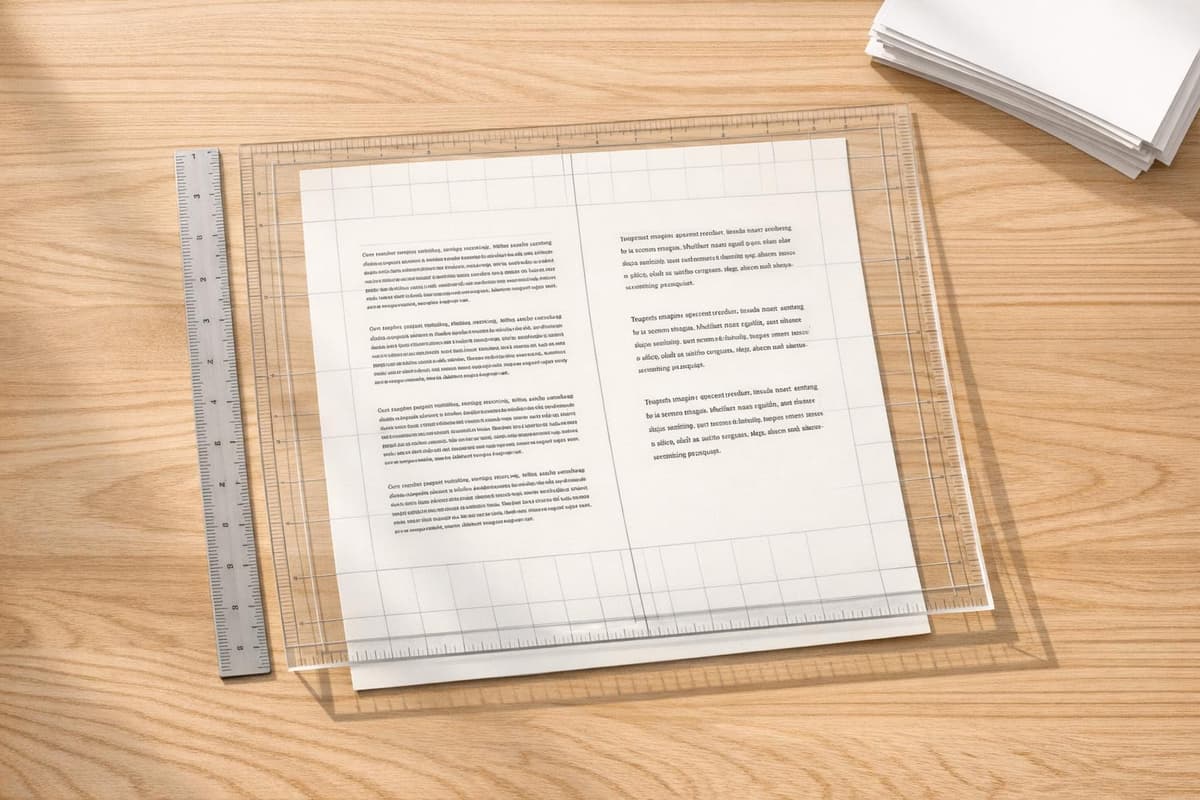
Words to Pages Converter
Estimate Page Count with Real Formatting
A page estimate is only useful when it reflects the way your document is actually formatted. This Words to Pages Converter goes beyond a generic average by factoring in font family, font size, line spacing, and margin width. That means you can get a more realistic answer whether you're working on an essay, article, report, or manuscript.
Why formatting changes page length
Two documents with the same word count can land on very different page totals. A wider font like Arial often fits fewer words per page than Times New Roman, while a smaller font size usually increases page capacity. Line spacing makes an even bigger difference, with single-spaced pages holding far more text than double-spaced pages. Margins matter too, since narrow margins leave more room for text and wide margins reduce it.
A clearer way to convert words into pages
This word count to page calculator shows both the estimated page total and the effective words-per-page rate used in the math. That extra transparency makes it easier to plan assignments, meet submission guidelines, or size up a draft before you format the final version. If you need a quick, credible Words to Pages Converter, this gives you a straightforward answer without the guesswork.
FAQs
How accurate is this words to pages estimate?
It’s a strong practical estimate, especially when you match the formatting in your actual document. Page count changes based on font width, size, line spacing, and margins, so this tool adjusts for those choices instead of relying on a one-size-fits-all number. That said, small differences in paragraph breaks, headings, images, and manual spacing can still affect the final count.
Why does the page count change when I switch fonts?
Different fonts take up space differently on the page. Arial is usually a bit wider than Times New Roman, so it tends to fit fewer words per page. Calibri often runs a little tighter, which can increase the number of words that fit. Those small differences add up quickly across longer documents, which is why font selection matters.
What’s the standard words-per-page rule this tool starts from?
A common baseline is that 12-point Times New Roman with double spacing and 1-inch margins fits about 250 words per page. If you switch to single spacing, that usually doubles to around 500 words per page. From there, this tool adjusts the rate for size, font family, and margin width so the result reflects your selected formatting more closely.